

Republic of Altai · Chemal district
Land plot summary
Expeditionary glamping at the Apshiyakhta River with air delivery.
Chemal District
Chemal district of the Republic of Altai
17.4585 ha
1,745.85 acres
30,000 RUB per sotka
51.249064,86.016308
CH!47, CH!48
04:05:071005:223, 04:05:071005:224
Key features of the site
- Scale: 17.4585 ha.
- Strong qualities of a place: proximity to water, forest environment, species potential, privacy, understandable transport logic.
- Purchase potential: glamping or a chambered natural settlement.
Detailed description of the site
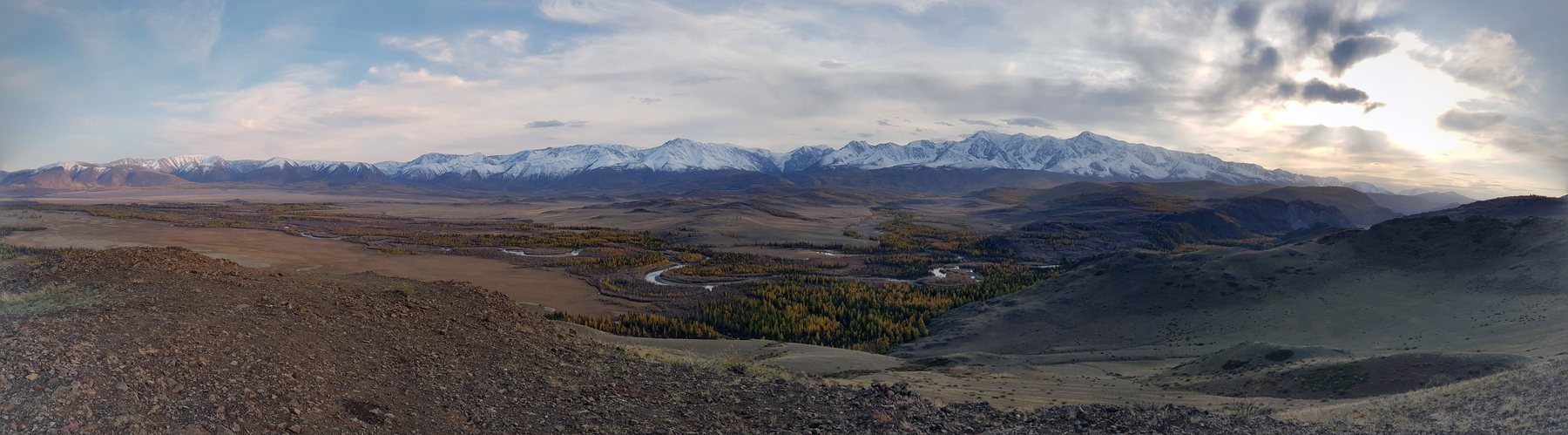
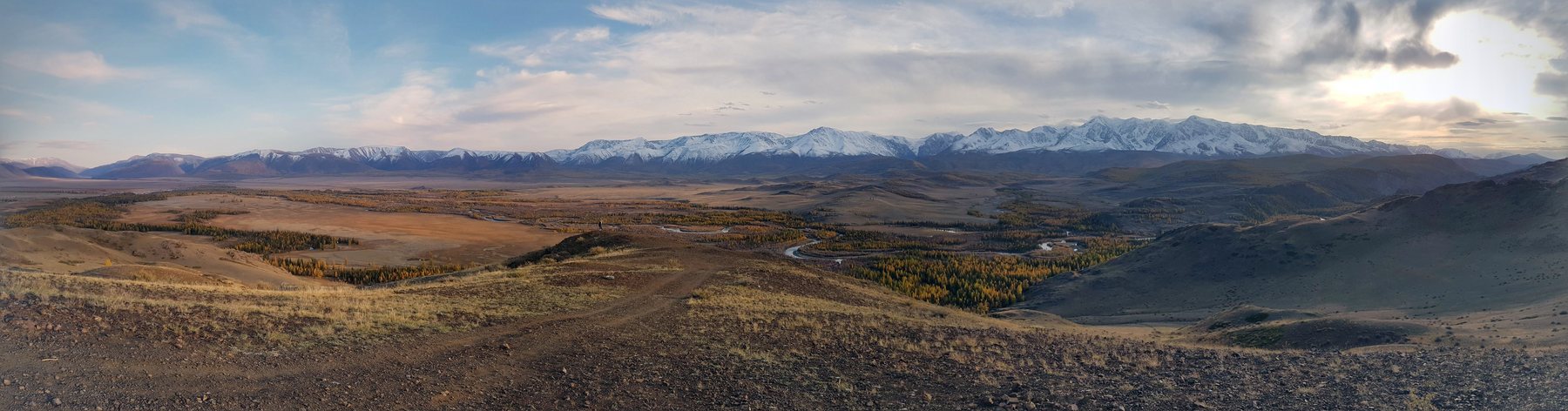
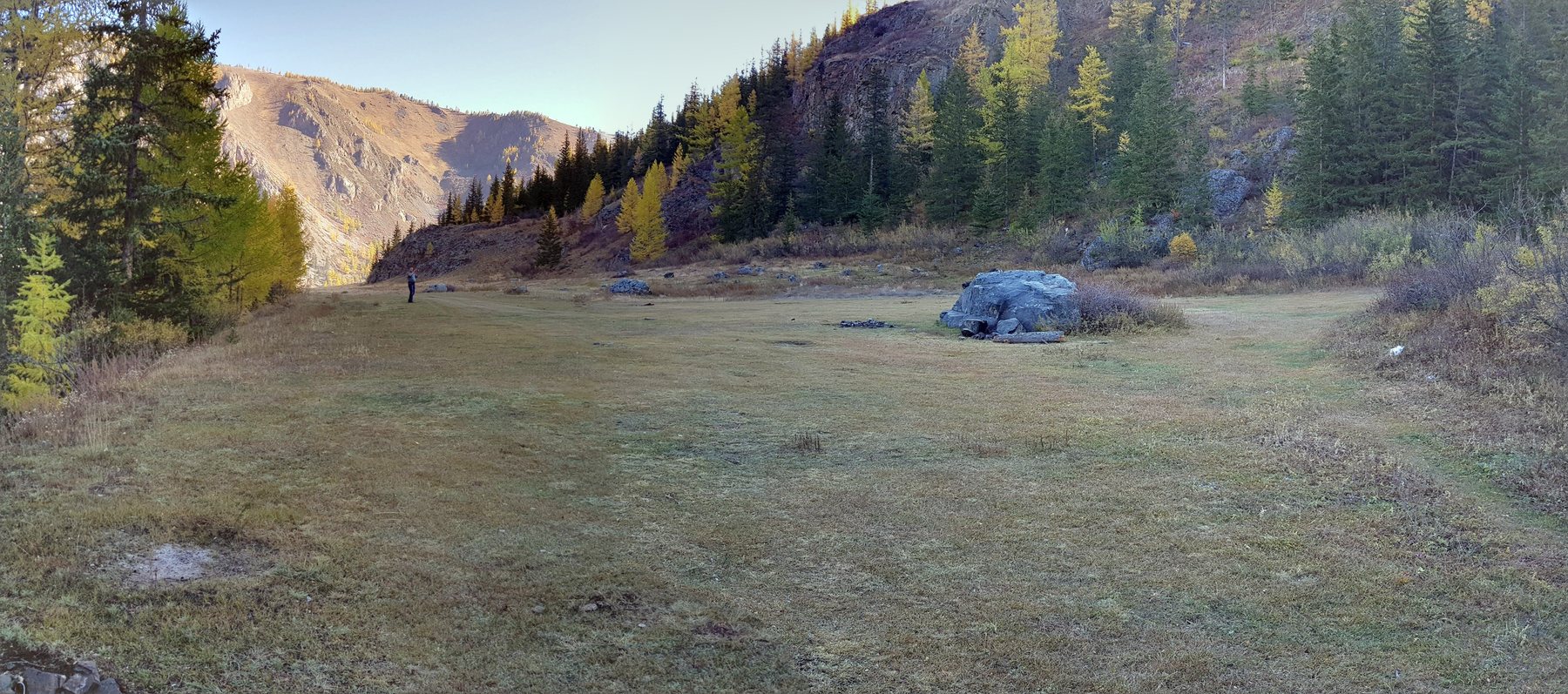
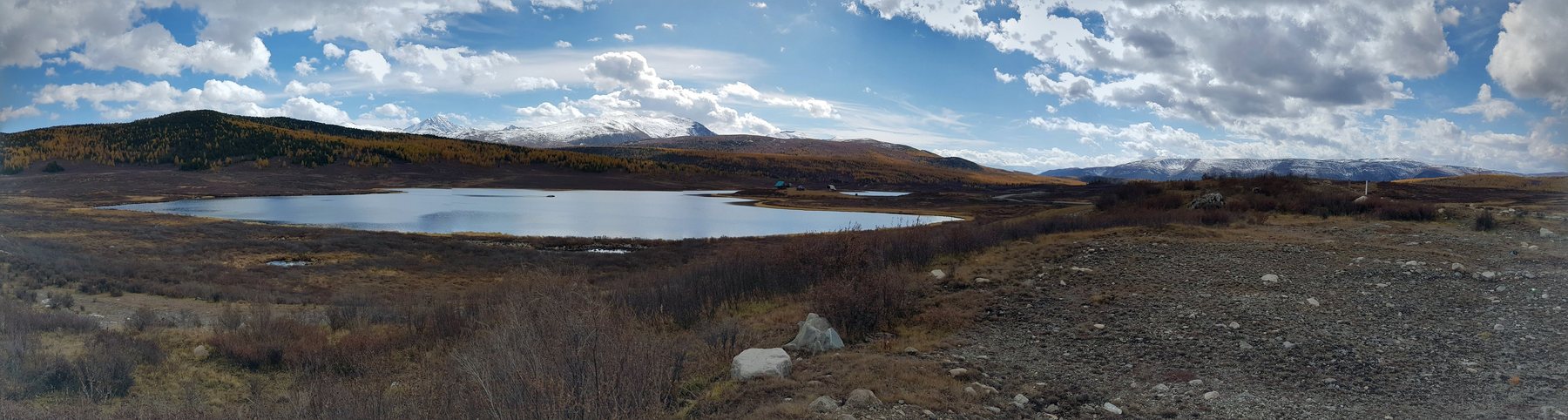
The glamping village of Mountain Spirit is located by the Apshiyakhta River, among the peaks, taiga and clean water, a closed natural area for expeditionary recreation, eco-tourism, rehabilitation programs, premium trips and living in the wild without traffic noise, dense development and random flow.
Access to the territory is organized by air, the approximate approach time from the helicopter base in the area of Turbaza "Katun" is 10 -12 m m mThe flight becomes part of the experience: a sightseeing route over the ridges, a quick exit from the tourist center of the Chemal district to the taiga and landing by a clear river.
The main value It's a rare place, there's no highway, there's no townships, there's no mass infrastructure, there's a river, there's a peak, there's a forest, there's silence, there's a space where nature itself is the mainstay of recreation, and it doesn't require urban exploration logic, but it's powered by air access, by closedness, by cleanliness, and by the ability to create a product that you can't replicate next to the highway.
The Mountain Spirit is formed as an expedition glamping village with warm prefabricated houses, autonomous energy, a bath area, a shared home, an aircraft landing site and a sophisticated stay system, and houses can be airlifted in disassembled form and assembled on site without heavy road construction or rough taiga interference.
Air delivery as part of the product
Air delivery to "Mountain Spirit" is part of the cost of the experience. The guest buys not only the accommodation in the cabin, but the whole scenario: flight, landing in the taiga, the river, the warm module, the bathhouse, dinner, silence, starry sky and the feeling of exit from the urban environment.
This format works well in conjunction with hotels, sanatoriums, glamping cities and resort complexes of the Altai Republic. The main part of the program can be held in a basic hotel or sanatorium, and Mountain Spirit becomes the culmination of the route: a closed natural point for one or two nights. This increases the cost of a trip, prolongs the scenario of stay and gives the guest an impression that is impossible to get in a normal resort area.
The commercial strength of the project is a combination of inaccessibility and proximity, and from the ground, the area looks remote, but by air is located near the tourist center of the Chemal district, which turns a complex location into a premium route product: closed, rare, emotionally strong and compatible with the hotel, sanatorium, environmental, corporate and restoration programs of Altai.
International model of remote lodges
Remote glamping and air-delivered logjams have become a premium category of global tourism, valued not by the number of buildings or proximity to the road, but by the scarcity of access, the natural isolation, the strong route and the quality of stay. In New Zealand, Canada, Alaska and other natural regions, there are closed lodges where guests are delivered by helicopter, seaplane or special transport.
One example of this is the Minaret Station Lodge in New Zealand, which is located in a remote Alpine valley, and is only accessible by helicopter, and air delivery is a must-have part of the product, and the flight time from Wanaki is about 15 years.20 m m mIt's about 25 to 30 minutes from Queenstown, and it's close to the logic of Mountain Spirit, which is a short flight from a tourist area to a closed natural area.
New air mobility
Air delivery is no longer limited to conventional helicopters, with the world expanding its market for electric vertical takeoff and landing, air taxi and autonomous passenger drones, China’s Ihan announced the transition to commercial autonomous passenger aircraft operations in China in 2026, and Joby Aviation is preparing to launch an air taxi in Dubai and has already performed test flights in the UAE.
For Altai, this is a strategic signal: today, air access to remote areas is provided by helicopters; tomorrow, some of these routes can be served by lighter, more automated and more affordable aircraft; then areas that now seem difficult to access will receive a new class of value: they will become natural sites for premium recreation, individual flights, closed glamping and expedition routes.
Mountain spirit is going to fall into this future model, and land inaccessibility doesn't negate the value of land, it creates rarity. As individual aircraft, aerocars and unmanned passenger systems become more common, the demand for enclosed natural locations in the mountains will grow, and the tourist will not need another room by the road, but a place to fly in, stay overnight and get a sense of private territory in the wild.
Rareness of such lands
Remote tracts, privately owned among taiga, rivers, rocks and rugged terrain, are rare assets, not because the location is weak, but because nature has shut it off from mass access. Conventional agricultural logic does not work in such areas, but the tourist, expeditionary and restoration value can be high.
Some of these lands have historically been able to be used as agricultural land by old mapping and aerial surveying solutions, and they are often inconvenient for real agricultural use: no road, no terrain, no taiga, rock, river, remoteness, and these qualities make them promising for a new type of tourism: secluded glamping, air routes, closed natural residences, recreational trips, expedition overnights, and premium programs in the wild.
You can't make these things artificially, you can't build a wild taiga, you can build a clean river, you can't have people, you can't feel completely isolated, you can just gently enter an existing natural environment and create a small, expensive, manageable product.
Price logic
The right thing for Mountain Spirit is not the daily hotel logic, but the package model, and the guest buys the program: flight, accommodation, food, bath, escort, route and stay in a closed natural spot, and then air delivery becomes part of the product, not a separate expensive service.
The first level of the product is a one-day air exit without overnight stays, a sightseeing flight, a landing at the Apshiyakhta River, a walk, lunch, a bath or a short nature program, a return to a basic hotel, which is suitable for guests of sanatoriums, hotels and resorts who need a strong impression without a long break from the main program.
The third level is a two-night package, which is a full-fledged dive: a flight, two nights, a bath, routes, food, silence, nature observation, a photo program and a recovery mode, which is suitable for foreign guests, corporate clients, people after an overload, and those who want not a tour, but a real outdoors into the wild.
The fourth level is closed-loan buying, which is a format for a family, a company, a partner outing, a corporate group, or a premium medical and rehabilitation tour, and in this model, the buyer pays for privacy, space control, no strangers, and the rarity of the space.
Synergy with major resorts
Remote glamping is most powerful in conjunction with major hotels, sanatoriums and resort areas. A large hotel provides flow, service, reservations, trust, food, medicine and marketing. Mountain Spirit provides an event that enhances the entire program of stay.
For a sanatorium or health center, this format is particularly valuable: a guest undergoes a basic recovery program and then gets a trip to the wild as an emotional top of the route, which can be an anti-stress exit, an energy recovery program, a corporate format for executives, a closed family trip or a premium tour for foreign guests.
In this model, the whole chain wins. The resort gets a more expensive program and increases the length of the guest's stay. The remote glamping gets a stream without having to build your own mass showcase. The tourist gets a rare impression: a hotel, treatment or a holiday in a comfortable base, then a flight and a night in the wild taiga.
The future
The glamping villages in the taiga wilderness over which aircraft land and take off are no longer fantastic, but air taxis, autonomous passenger drones, vertical takeoff electric vehicles, and new models of air mobility are emerging in the world. For mountainous areas, this can change the very economy of the earth.
Now, many remote areas are undervalued because the market thinks expensive, but the next logic of tourism is to think about access, and if you can fly to a location quickly, and the location itself gives you rare nature, silence, water and isolation, its value will be determined not by asphalt, but by the power of the experience.
Mountain Spirit is a project in this future category, where land is not sold as a remote problem, but as a rare natural playground for a new type of tourism: air, indoor, expeditionary, ecological, medical and premium.
Practical conclusion
The glamping village of the Mountain Spirit by the Apshiyakhta River is a project for a market that is just beginning to take shape in Russia, and its strength comes from a combination of short air access, natural isolation, clean rivers, warm prefabricated houses, autonomous energy and working in conjunction with Altai hotels and sanatoriums.
It's not just land, it's not future houses, it's an opportunity to create an aerial expedition product: flying, landing in the taiga, living by the river, bathhouse, silence, starry sky and a sense of territory where for the first time in a long time a person is left alone with real nature.
What might be interesting to the buyer
It is not only the land itself that is important, but also the combination of location, use case and future capitalization.
- Format: glamping or a chambered natural settlement.
- Economics: A clear price in the card helps quickly estimate the project economics: 30,000 RUB per sotka.
What to check before purchase
- Access, condition of the road and seasonality of access.
- Electricity, water, communications and connection points.
- the boundaries of the site, the actual relief and the neighboring surroundings.
- restrictions on land category, IRI, protected areas and fire requirements.
|
Recommended appointment
? Categories/Usage scenarios |
Forest areas, hard-to-reach areas, Glamping areas, Panoramic areas |
|
District
? District |
Chemal District |
|
Location type
|
In the forest, Panoramic view, Hard access, By the water, By the river, By the highway, Secluded location |
|
Pond/river/lake
|
katun |
|
Price per hundred
|
30000 |
|
Square, HA
|
17.4585 |
|
Large array
|
Yes. |